
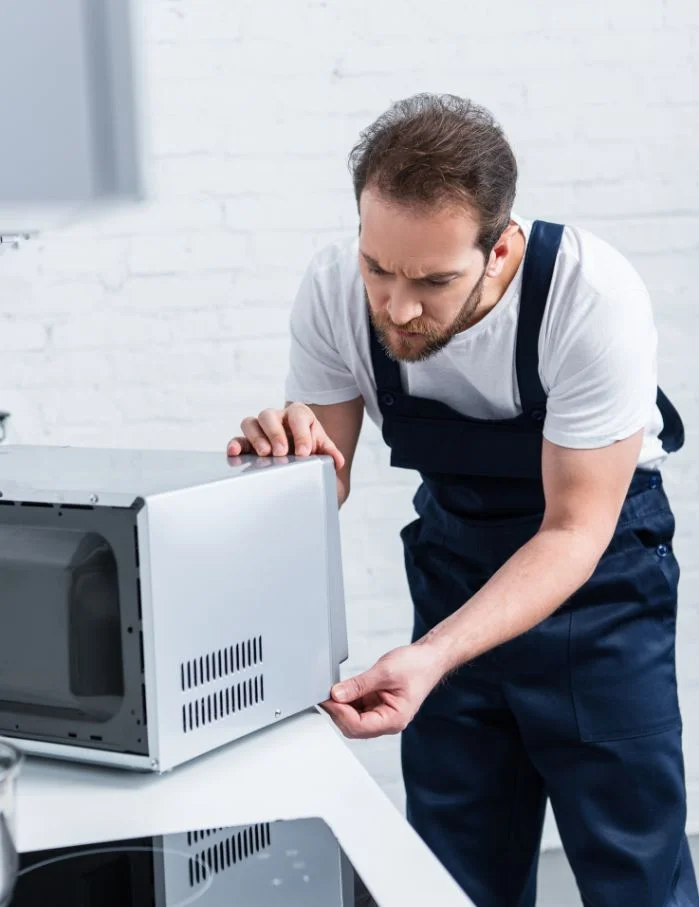
Hisense Microwave
Is your Hisense microwave not heating up? If this is the case, there may be a few potential causes. From faulty electrical wiring to a malfunctioning magnetron, common causes of microwaves not heating can range from simple to more complex problems – Hisense Microwaves
Find out what these issues are and learn some tips on how to fix them.
A faulty magnetron could be causing your Hisense microwave not to heat properly. The magnetron is an essential part of the microwave that generates energy in order to create microwaves and heat up food or liquids. If it’s not working properly, your food won’t get heated. It’s best to take a look at it and see if there are any visible signs of malfunction. You can then replace the magnetron with a new one if necessary.
Another possible cause of your Hisense microwave not heating is a burned out diode. The diode helps to regulate the energy flow within the microwave, so if it’s faulty, this can prevent your food from getting heated. In this case, you’ll need to take the old one out and replace it with a new one.
If the temperature sensor in your Hisense microwave is malfunctioning, it could be causing your food to remain cold. This is because the temperature sensors have to work together with the digital thermostat to ensure that your food reaches its optimal temperature for consumption. If the sensor stops working correctly, then no matter what temperature you set on the digital thermostat, the microwave will not heat up properly.
The power source for Your Hisense microwave should remain stable to provide consistent heating. If the voltage is not stable, it can cause the microwave’s temperature sensors and digital thermostat to malfunction and not heat evenly. To help fix this problem, check your home’s circuit breaker and see if you need additional outlets or surge protectors to keep your microwave plugged into a stable power source.
Devices that emit electromagnetic signals, like cell phones and Wi-Fi routers, can interfere with your microwave as it heats. Make sure to keep other electronic devices at least a few meters away from the microwave when running for optimal performance. Additionally, any flickering lights or humming sounds can signal interference and should be addressed quickly if noticed.
Form
Hisense microwave repairs in Durban North
Microwaves are an important kitchen appliance that we rely on heavily for quick and easy meals. However, it’s easy to take them for granted and forget about basic care and maintenance. In this blog post, we’ll discuss some simple tips for caring for your microwave and lengthening its lifespan.
Clean regularly Food splatters and spills can build up quickly in your microwave, leading to unpleasant odors and potentially damaging the interior. Regularly wipe down the inside of your microwave with a damp cloth or sponge, and use a mild detergent if necessary. You can also use a microwave-safe bowl filled with water and a little vinegar or lemon juice to steam clean the interior.
Use microwave-safe cookware Microwaves work by heating up water molecules in food, so it’s important to use cookware that is safe for this process. Avoid using metal or aluminum foil, as they can cause sparks and even damage your microwave. Instead, use glass, ceramic, or microwave-safe plastic containers.
Don’t run your microwave empty Running your microwave with nothing in it can cause damage to the magnetron, which is the component that generates the microwaves. Always ensure that there is food or a microwave-safe container with water in your microwave before turning it on.
Avoid overloading your machine: Don’t overcrowd your microwave with too much food or too many containers. This can cause uneven heating and potentially damage your microwave. If you need to heat multiple items, do it in batches or use a larger microwave-safe container.
Check for damage Regularly inspect your microwave for any signs of damage or wear and tear, such as cracks or dents. If you notice anything unusual, it’s best to get it checked by a professional.
In conclusion, caring for your microwave doesn’t require a lot of effort, but it can make a big difference in prolonging its lifespan and ensuring it works properly. By following these simple tips, you can keep your microwave running smoothly for years to come.